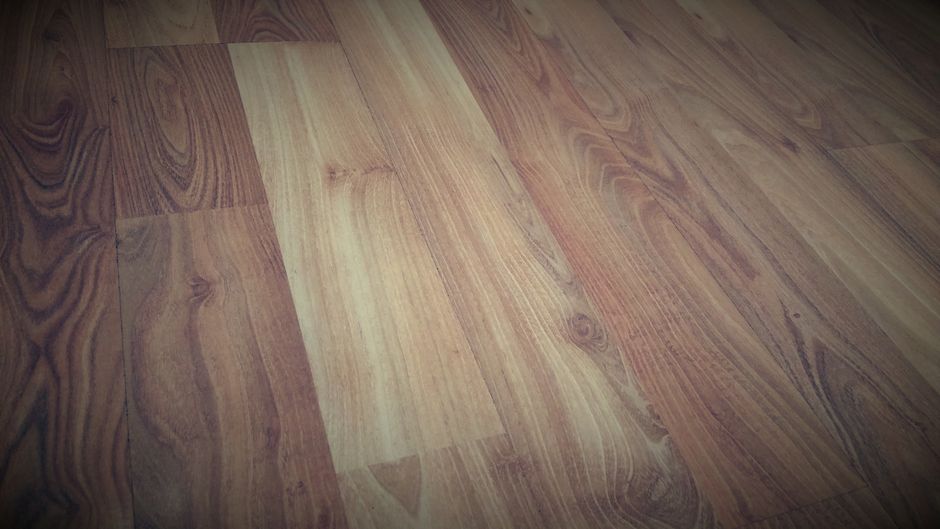
Quick Guide to Reviving Dull Laminate Floors at Home
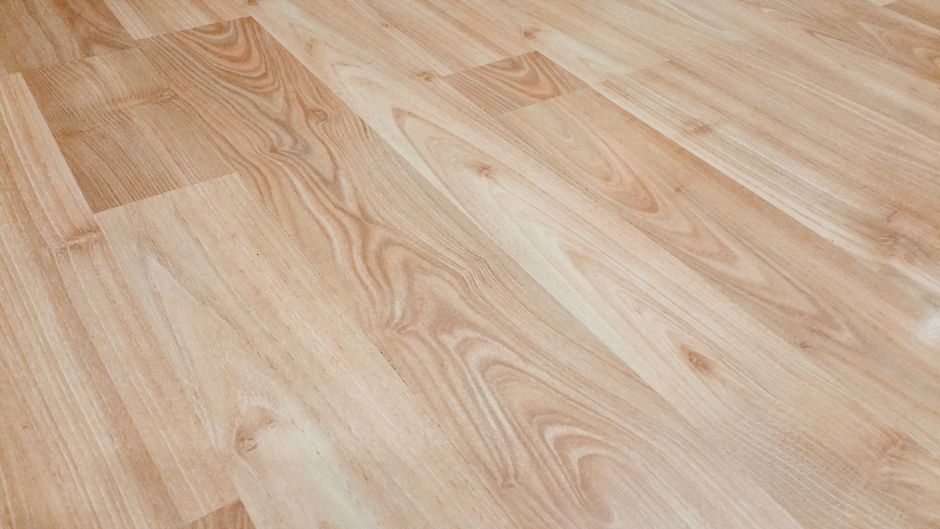
Laminate floors have a habit of looking brilliant for a while, then suddenly they don't. One day they reflect the light nicely; the next, they look cloudy, streaked, or just a bit tired around the edges. If that sounds familiar, this Quick Guide to Reviving Dull Laminate Floors at Home will help you get the finish back without wrecking the surface.
The good news? In most homes, dull laminate is not a disaster. It is usually a build-up problem: cleaning residue, fine dust, greasy foot traffic, or the wrong mop leaving a film behind. Sometimes it is as simple as too much water. A little care goes a long way here, and honestly, laminate is fussier than people expect. Bit cheeky, really.
In this guide, you'll learn what actually brings laminate back to life, what to avoid, and when the problem is more about wear than cleaning. You'll also get a simple step-by-step routine you can use straight away, plus a checklist and answers to the questions people ask most.
Why Quick Guide to Reviving Dull Laminate Floors at Home Matters
Dull laminate is not just an appearance issue. It changes how a room feels. A floor that looks flat or cloudy can make even a tidy space seem less cared for, which is annoying when you've already done the rest of the cleaning. You know that feeling when the room is clean, but something still looks off? Usually, it's the floor.
Laminate also behaves differently from real wood, stone, or vinyl. It has a printed wear layer and a protective topcoat, so its shine is created by surface condition, not by polishing the material itself. That means you cannot treat it like a timber floor and expect good results. You need gentle, surface-safe methods.
There's another reason this matters: some dullness is caused by habits rather than dirt alone. Using too much cleaner, choosing a product that leaves residue, or mopping with a soaking-wet pad can all leave the floor looking worse over time. The fix is often simpler than people think, but only if you understand what laminate actually needs.
If your home has mixed flooring, it may help to look at broader upkeep too. Many households pair laminate maintenance with hard floor cleaning and general deep cleaning to keep the whole place feeling fresher, not just one room. That wider approach is often what makes the difference.
Expert summary: Dull laminate usually means residue, fine scratching, or moisture-related haze rather than permanent damage. Clean lightly, dry quickly, and avoid anything that promises a shiny "waxed" finish unless it is specifically made for laminate.
How Quick Guide to Reviving Dull Laminate Floors at Home Works
Reviving laminate floors is basically a three-part process: remove loose grit, dissolve the film that is sitting on top, and dry the surface so it does not reappear in streaks. That's it in plain English. No mystery potions required.
The reason this works is that most dullness lives on the surface. Dust, cooking residue, shoe marks, and cleaning products can create a thin haze that scatters light instead of reflecting it cleanly. Once that film is removed, the floor usually looks brighter straight away. If the laminate is scratched or worn, you can improve the appearance, but you may not get a fully glossy look back. Fair enough, and better to be realistic.
There is also a difference between clean and recoated. Laminate floors are not usually refinished like hardwood. You are restoring clarity, not sanding and sealing the material. That means the safest route is always the gentlest one that still removes buildup.
In a typical home, this process works best in daylight. You can spot streaks, cloudy patches, and missed corners more easily near a window, especially in the morning when the light is low and a little unforgiving. That small detail helps more than people expect.
If your floor sits near entrances, patio doors, or high-traffic rooms, the challenge is often tracked-in dust and grit. In homes where mud, pets, or children are part of daily life, a proper floor reset can make a very noticeable difference.
Key Benefits and Practical Advantages
Once you revive a dull laminate floor properly, the benefits are visible almost immediately. The room looks brighter. The floor reads as cleaner. And you stop noticing that frustrating cloudy patch every time you walk past it. Small thing, big impact.
- Better light reflection: A clean laminate surface bounces natural and artificial light more evenly, which helps smaller rooms feel less flat.
- Less visible dust and marks: Removing residue and film makes everyday dirt less obvious between cleans.
- Longer surface life: Gentler cleaning reduces the risk of hazing, swelling, or finish wear.
- Improved home presentation: Useful before guests arrive, after redecorating, or when you simply want the place to feel more sorted.
- Lower cleaning effort later: Once residue is gone, future maintenance tends to be easier.
There's also a confidence benefit. When a floor looks dull, many people assume it needs a specialist treatment or replacement. Often, it doesn't. A careful reset can save you the cost and hassle of a bigger job. If you're comparing home maintenance options, it's worth knowing how this sits alongside other household services such as domestic cleaning or a one-off refresh through one-off cleaning.
And yes, it can feel oddly satisfying. There's a moment when the haze lifts and the grain or pattern becomes crisp again. The floor stops looking tired. It just looks like itself.
Who This Is For and When It Makes Sense
This guide is for anyone who has laminate floors that look flat, streaky, or slightly grimy even after regular cleaning. It is especially useful if:
- your laminate has gone cloudy in busy areas like hallways, kitchens, or living rooms
- you are seeing mop marks or a milky film after cleaning
- you have been using a spray mop or cleaner that seems to leave residue
- you want to improve the appearance before a guest visit, tenancy inspection, or family event
- you are trying to maintain a rental property without causing damage
It also makes sense if your home includes mixed surfaces and you want to tidy up the whole look of the property. For example, some people pair laminate maintenance with carpet cleaning or rug cleaning because once the floor brightens, the surrounding textiles suddenly look duller by comparison. Funny how that works.
On the other hand, if the floor has deep scratches, swollen joints, peeling edges, or boards that feel soft underfoot, this is not a simple cleaning issue. At that point, you may be looking at repair or replacement rather than a shine-restoration job.
Step-by-Step Guidance
Here's the simple routine I'd use at home. Keep it calm, methodical, and not too wet. That really is the secret.
1. Clear the floor and check for problem areas
Move chairs, mats, and loose items out of the way. Look for sticky spots, tracked-in grit, cloudiness near doorways, and patches that look greasier than the rest. If one room leads directly into a kitchen or utility space, the dullness is often worst along that route.
2. Dry dust first
Use a soft broom, microfibre dust mop, or vacuum with a hard-floor setting. The aim is to remove grit before any wet cleaning starts. If you skip this stage, you can end up dragging tiny particles across the surface, which is exactly what creates fine scratching over time.
3. Prepare a laminate-safe cleaning mix
Use a small amount of cleaner designed for laminate, or a very mild diluted solution recommended by the manufacturer. Less is more here. If you can smell a strong chemical perfume or feel a sticky finish after the floor dries, the product may be leaving residue.
4. Mop lightly, not heavily
Dampen the mop head rather than soaking it. Work in small sections, and rinse or refresh the pad when it starts to look dirty. Laminate and standing water are not friends. Not even close.
5. Dry as you go
After each section, go over it with a dry microfibre cloth or a clean dry mop pad. This helps prevent streaks, water marks, and the annoying cloudy look that appears when moisture sits on the surface too long.
6. Tackle stubborn haze separately
If one area still looks dull, wipe it with a fresh pad and a slightly stronger but still safe dilution. Do a test on a hidden spot first. This is especially useful around the hob, dining area, or places where hand grease and cooking vapour tend to settle.
7. Finish with a final inspection in good light
Walk the room from different angles. Laminate can look fine from one direction and streaky from another. A quick look near a window usually shows anything you missed. If the floor now looks cleaner but still not glossy, that may simply mean the original finish is worn rather than dirty.
Need a deeper reset because the whole property has built-up dirt, renovation dust, or several neglected rooms? A broader after builders cleaning service can make sense when the floor is part of a larger post-work clean. For routine upkeep in busy homes, though, the method above is usually enough.
Expert Tips for Better Results
There are a few small choices that make a surprisingly big difference with laminate.
- Use two cloths instead of one. One for the damp clean, one for drying. It sounds basic, but it stops a lot of streaking.
- Change the water often. Dirty water spreads the same film you are trying to remove.
- Work with the grain or plank direction. It creates a neater finish and helps you spot missed areas.
- Avoid excessive product. If the floor gets shinier after a clean but then dulls again quickly, residue may be building up.
- Keep the room ventilated. Faster drying usually means fewer marks.
A small household trick that helps: place a mat at entrances and a runner in the busiest route if the floor is taking repeated foot traffic. That won't make the laminate shiny on its own, obviously, but it slows down the return of dirt and grit.
If the issue keeps coming back, the problem may not be the cleaning method at all. It could be overuse of multi-surface sprays, or even furniture pads that are worn through and scratching the finish. That sort of thing is easy to overlook until you sit and really look at it. Annoying, but fixable.
Also, if you are cleaning other hard surfaces in the same home, use methods suited to each material. For example, a finish that works on laminate is not always ideal for stone, concrete, or external areas. Homes with mixed surfaces sometimes benefit from a more tailored approach such as hard floor cleaning rather than a one-product-for-everything routine.
Common Mistakes to Avoid
Most laminate damage happens through routine mistakes rather than dramatic accidents. Here are the ones worth watching for.
- Using too much water: This can lead to swelling at the joints or a hazy, uneven dry-down.
- Applying polish or wax meant for other floor types: Laminate usually does not need wax. Products that sit on top of the surface can create a slippery, patchy finish.
- Using abrasive pads: Scourers, stiff brushes, and harsh scrubbers can dull the protective layer.
- Letting spills sit: Water, juice, oil, and cleaning residue all need quick attention.
- Mixing random products together: That is never a good idea. Not worth the gamble.
- Assuming dullness always means dirt: Sometimes the issue is wear, not grime.
One of the most common complaints is a floor that looks clean while it is still damp, then turns cloudy once dry. That nearly always points to residue, over-wetting, or using a product that is too strong for the surface.
And if the floor has been installed near water-prone areas, be extra careful. Bathrooms and very wet utility spaces are not ideal places for standard laminate unless the product is specifically suited to them. If there's any sign of lifting or swelling, stop and reassess.
Tools, Resources and Recommendations
You do not need a huge kit to revive dull laminate. In most homes, a handful of sensible tools is enough.
| Tool or product | Why it helps | What to look for |
|---|---|---|
| Microfibre dust mop | Removes dust and grit without scratching | Soft fibres, washable head, wide enough for quick coverage |
| Vacuum with hard-floor attachment | Good for edges, corners, and busy rooms | Non-scratching setting and gentle brush head |
| Laminate-safe cleaner | Helps remove film without leaving a sticky residue | Low-residue formula, clear usage instructions |
| Two clean microfibre cloths | One for cleaning, one for drying | Lint-free and not overly fluffy |
| Soft bucket or spray bottle | Helps you control moisture | Use sparingly, not as a soaking system |
When choosing a cleaner, the label matters. Look for wording that clearly says it is suitable for laminate or sealed hard floors. If a product is vague, heavily fragranced, or designed to "restore shine" without explaining how, I'd be cautious. A lot of shine claims are just residue in disguise.
If you are comparing the cost of doing it yourself versus booking help, the practical way is to look at time, products, and how much room you need to cover. For a larger property, or if the floors are part of a more extensive tidy-up, it may be worth asking about pricing and quotes before you decide.
For households that care about waste and product choice, it also helps to keep an eye on packaging and concentration. Reusable microfibre cloths and measured use of cleaner can reduce waste over time, which sits nicely with recycling and sustainability habits at home.
Law, Compliance, Standards, or Best Practice
There is no special legal rule for "reviving" laminate floors in a normal home, but there are still sensible best practices to follow. In the UK, manufacturers' care instructions are usually the first reference point. If a floor warranty or product guide gives cleaning limits, those should be followed carefully. That part matters more than people often realise.
From a safety point of view, the main concern is slip risk while the floor is still damp. If you are cleaning around children, older family members, or anyone with reduced mobility, drying the floor properly is not just a nice extra. It is a practical precaution. A wet laminate floor can become unexpectedly slippery, especially if a cleaning product leaves a film.
If you are maintaining a rented property, ordinary household care is usually fine, but it is wise to avoid anything that could be seen as damage rather than maintenance. Strong abrasives, excessive moisture, and unapproved coatings are the obvious risk areas. If you are unsure, it is safer to stay with gentle cleaning methods and keep notes of what you used.
For households wanting a professional standard of care, the broader cleaning industry tends to favour methodical, low-moisture approaches for sensitive hard floors. That principle lines up well with laminate best practice: protect the finish, avoid buildup, and dry promptly.
Options, Methods, or Comparison Table
Not every dull laminate floor needs the same approach. Here's a quick comparison of the most common options.
| Method | Best for | Risk level | Notes |
|---|---|---|---|
| Dry dusting only | Light dust and routine upkeep | Low | Good first step, but usually not enough for haze |
| Laminate-safe damp mop | General dullness and residue | Low to medium | Best balance for most homes |
| Residue removal clean | Cloudy film from old products | Medium | Test first, keep moisture controlled |
| Professional deep clean | Large areas, heavy buildup, or time-poor households | Low if done properly | Useful when the floor is part of a bigger clean |
| Polish or shine product | Sometimes marketed for quick gloss | Higher | Can cause buildup if unsuitable for laminate |
For most homes, the damp mop plus dry finish is the sweet spot. It is simple, safe, and effective. If the floor is in a rented flat or you are trying to get everything into good shape before moving day, pairing floor care with end of tenancy cleaning can make the whole property look much better without taking on a full renovation-level job.
Case Study or Real-World Example
A fairly typical example: a family kitchen-diner with laminate flooring looked dull even after weekly mopping. The problem was not dirt on the surface alone. The floor had built up a thin layer of cleaner residue near the cooking zone and a second layer of tracked-in dust near the back door. In daylight, it had that slightly grey, misty look people hate.
The fix was straightforward. First, the floor was vacuumed thoroughly, including the edges near cupboards and under the table. Then it was cleaned in small sections with a lightly damp microfibre mop and a laminate-safe cleaner. The key bit was drying each section immediately with a second cloth. Around the kitchen hob, a second pass was needed because of grease film. Nothing dramatic. Just careful, patient work.
After that, the difference was obvious. The pattern came back, reflections looked cleaner, and the room felt brighter without changing anything else. The family had been assuming the laminate was "old and faded". It wasn't. It just needed the build-up removed.
That said, if the floor had been scratched by dragging chairs or damaged by standing water, the improvement would have been more limited. Cleaning can do a lot, but it can't reverse physical wear. Truth be told, that's the bit people sometimes hope to hear less than they need to hear.
Practical Checklist
Use this quick checklist before and during the clean.
- Remove loose dust and grit first
- Check the floor for swelling, deep scratches, or lifted edges
- Use a laminate-safe cleaner only
- Keep the mop damp, not wet
- Work in small sections
- Dry each section immediately
- Change dirty water or cloths as needed
- Inspect the floor in daylight when finished
- Avoid wax, polish, and abrasive pads unless the manufacturer specifically approves them
- Keep the area ventilated so it dries evenly
If you want the rest of the home to feel as fresh as the floor, it can help to bring other surfaces into the same plan. A steady approach to window cleaning, upholstery care, and floor maintenance often gives a much better overall result than focusing on one item alone.
Conclusion
Reviving dull laminate floors at home is usually less about force and more about restraint. Gentle cleaning, controlled moisture, and the right cloths can restore a surprising amount of brightness. If the floor still looks flat after that, the issue may be wear rather than dirt, and that's useful to know too.
The main thing is not to overcomplicate it. Start dry, stay light with water, remove residue, and dry as you go. Most laminate responds well to that kind of care. And once it's clean, you'll notice the whole room feels calmer somehow. More finished. More looked after.
Get a free quote today and see how much you can save.
Frequently Asked Questions
How do I make dull laminate floors shine again?
Start by removing dust and grit, then mop with a laminate-safe cleaner using very little water. Dry the floor immediately after cleaning. If shine does not return, the issue may be wear or residue from older products.
Can I use vinegar on laminate floors?
Some people do, but it is not always the safest choice. Vinegar can be too harsh for certain finishes and may leave a smell or affect the surface over time. A manufacturer-approved laminate cleaner is usually the safer option.
Why does my laminate look cloudy after mopping?
Cloudiness usually comes from too much cleaner, too much water, or a product leaving residue behind. It can also happen when dirty water is spread around rather than removed. Drying the floor properly helps a lot.
What should I avoid using on laminate?
Avoid wax, abrasive pads, steam where not recommended, and any product that says it leaves a glossy coating unless it is specifically designed for laminate. Those are the usual troublemakers.
How often should I clean laminate floors?
Light dry cleaning can be done as often as needed, especially in busy areas. Damp cleaning is usually best when the floor actually needs it rather than on a fixed heavy schedule. Over-wetting is the bigger risk.
Can scratched laminate be revived by cleaning?
Minor dullness and surface film can improve a lot with proper cleaning. Deep scratches, chips, and worn edges will not disappear with cleaning alone. At that point, you are looking at cosmetic repair or replacement.
Is steam cleaning safe for laminate floors?
Not always. Some laminate floors are not suitable for steam because heat and moisture can damage the seams or the top layer. Always check the manufacturer's guidance first.
What mop is best for dull laminate?
A microfibre mop is usually the best choice. It lifts dirt well, uses very little water, and is less likely to leave streaks than a traditional cotton mop.
How do I remove sticky residue from laminate?
Use a small amount of laminate-safe cleaner and a clean microfibre cloth. Work on one patch at a time, then dry the area. If the residue is old or heavy, you may need a second pass rather than a stronger chemical.
Can I use polish to revive laminate?
Only if the product is specifically made for laminate and recommended by the floor manufacturer. Many polishes leave buildup, attract dirt, or make the surface look patchy over time.
When should I call in a professional clean?
If the floor covers a large area, has heavy residue, or is part of a wider home refresh, professional help can save time and give a more even finish. It is also sensible if you are unsure about the product history on the floor.
Does dull laminate mean it is time to replace it?
Not necessarily. Dullness often means the surface needs proper cleaning, not replacement. If the boards are swollen, deeply scratched, or lifting at the edges, then replacement may be the more realistic option.