How to Remove Red Wine Stains from Wool Carpets UK
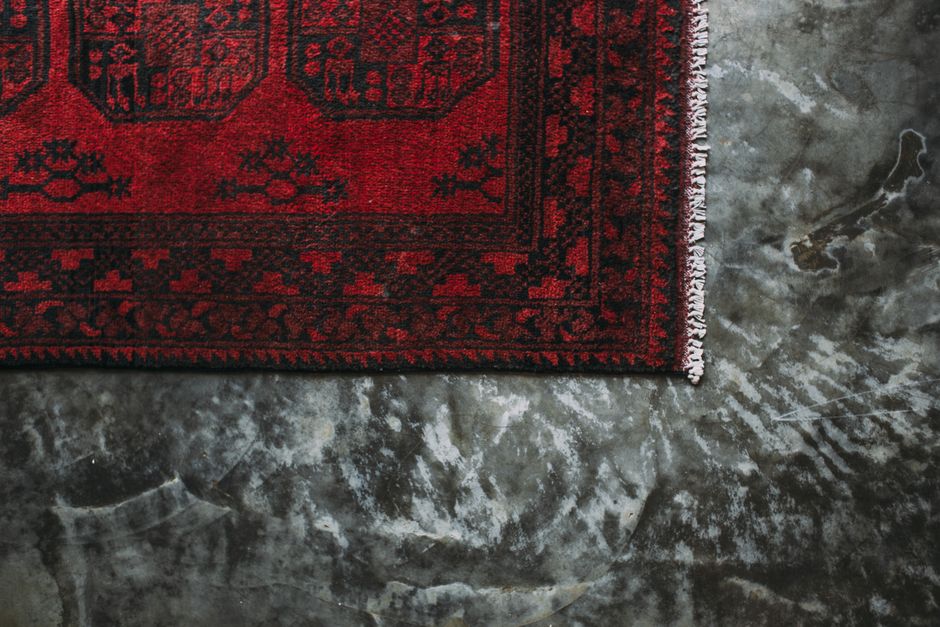
Spilling red wine on a wool carpet is one of those moments that makes your heart sink a bit. The glass tips, the colour spreads, and suddenly you are staring at a deep purple patch on a natural fibre that really does not like rough treatment. If you are searching for How to Remove Red Wine Stains from Wool Carpets UK, the good news is that quick, careful action can make a real difference. The trick is to treat wool gently, move fast, and avoid the common panic moves that make stains spread or set.
In this guide, we will walk through what actually works on wool carpets, what to avoid, when a stain is likely to become stubborn, and how to judge whether it is time to stop and bring in professional help. You will also find a practical checklist, a comparison table, and a real-world example so you can act with a bit more confidence rather than guessing in the middle of a mess.
Why How to Remove Red Wine Stains from Wool Carpets UK Matters
Wool is a brilliant carpet fibre, but it is also a little fussy. That is not a criticism; it is just the truth. Wool absorbs liquid quickly, and because it is a natural fibre with a textured surface, wine can move below the visible pile before you have fully registered the spill. Once it settles, the stain may look smaller on top than it really is underneath. That is why the first few minutes matter so much.
Red wine contains pigments, acids, sugar and tannins, which makes it a tricky stain on any carpet. On wool, the challenge is doubled because harsh cleaners can damage the fibres or change the texture. Use too much heat or the wrong product and you may replace one stain with another problem: fibre distortion, colour loss, or a patch that feels stiff after drying.
For UK homes, wool carpets are especially common in living rooms, hallways and period properties where people want warmth and durability. These carpets are often a real investment. So if you have a spill before guests arrive, during a family meal, or even at the end of a long Friday evening, you are not just cleaning a mark. You are protecting the finish, feel and value of the carpet. That matters.
If the stain is part of a broader deep clean, you may also find it useful to look at professional deep cleaning support or broader carpet cleaning services when the spot is beyond a simple home fix. Sometimes, honestly, that is the calmer route.
How How to Remove Red Wine Stains from Wool Carpets UK Works
Red wine stain removal on wool works by lifting liquid and pigment from the fibres before the stain bonds more firmly. The aim is not to scrub the wine away aggressively. It is to blot, dilute carefully, and draw the stain outward in a controlled way without forcing it deeper into the pile.
There are three basic stages:
- Absorb the excess before it spreads.
- Break the stain down gently using a suitable solution.
- Rinse and dry carefully so residue does not reappear later.
The stain behaves differently depending on a few things: how much wine was spilled, how long it sat there, whether the carpet has a stain-resistant treatment, and whether the wool is light or dark. A fresh spill on a pale wool carpet is a very different job from a dried-in mark on a thick, textured rug.
There is also a practical reality many people miss: a stain can look better while wet, then reappear after drying if the wine was only pushed lower into the pile. That is why repeated light blotting is better than one intense attempt. Slow and steady beats dramatic, frantic scrubbing. Every time.
Key Benefits and Practical Advantages
Using the right approach gives you a few clear advantages. First, it reduces the chance of permanent staining. Second, it protects the wool from unnecessary wear. Third, it stops the colour from blooming into a larger patch. And finally, it helps preserve the carpet's natural softness, which is the main reason people choose wool in the first place.
- Better stain lift: prompt action stops pigment from settling deeply.
- Less fibre damage: gentle methods reduce roughening and fuzzing.
- Lower risk of colour loss: harsh bleaches and strong rubbing are avoided.
- More predictable results: you can judge whether the stain needs a second pass or professional treatment.
- Cleaner finish overall: a careful rinse avoids sticky residue attracting dirt later.
There is another subtle benefit: once you know the right process, future spills feel less frightening. Not pleasant, of course, but less dramatic. You stop seeing red wine as an emergency and start treating it as a job with steps.
Who This Is For and When It Makes Sense
This guide is for anyone with a wool carpet, wool-blend carpet, or wool rug who has just spilled red wine or found an old stain that did not get fully dealt with the first time. It is also useful for landlords, tenants, homeowners, pet sitters, hosts, and anyone who likes entertaining but would rather not live with a mysterious purple badge on the floor.
It makes sense to try a careful home method when:
- the spill is fresh or only lightly dried;
- the stain is small to medium in size;
- the wool carpet is in good condition;
- you have the time to work slowly and test properly;
- you are comfortable stopping if the carpet reacts badly.
It makes less sense when the stain is large, has been there for days, or sits on an expensive rug with sentimental value. In those cases, a professional may be the safer option. If the wine hit a decorative rug rather than wall-to-wall carpet, it may be wise to review dedicated rug cleaning advice and services as well.
And if the rest of the property is due a full refresh after a busy week, an one-off cleaning visit can sometimes tidy up the bigger picture without you spending half a Sunday on your hands and knees. Let's face it, nobody dreams of that.
Step-by-Step Guidance
The safest approach is to start gently and escalate only if needed. Keep calm. That sounds obvious, but it really does help. A wool carpet responds much better to a measured process than to panic.
1. Blot up the spill immediately
Use a clean white cloth or paper towel and press lightly onto the wine. Do not rub. Rubbing pushes the wine into the fibres and spreads the stain sideways. Blot from the outside edge toward the centre so you do not enlarge the mark. Replace the cloth as soon as it becomes wet.
2. Lift any loose residue
If there is any solid debris, like a bit of fruit, remove it carefully with a spoon or the edge of a dull tool. Keep your hands away from the pile if possible. Wool can matt down when handled roughly, and once the fibres flatten, they are not always easy to revive.
3. Test a small hidden area first
Before using any cleaning solution, test it on a discreet patch of carpet, such as inside a wardrobe edge or under furniture. Wool dyes can behave unpredictably, especially on older carpets. A small test gives you a little peace of mind and may save you from making the mark bigger. Worth the minute it takes.
4. Apply a mild cleaning solution sparingly
For many fresh stains, a dilute solution of cool water with a small amount of wool-safe detergent can help. Apply a little to a cloth rather than pouring it directly on the carpet. Then blot the stain gently. If needed, repeat with fresh cloths. Do not flood the area. Wool does not like being soaked, and underlay moisture is a nuisance to dry properly.
5. Use a vinegar rinse cautiously if suitable
Some people use a mild white vinegar solution to help reduce wine pigment and residue. If you do, keep it diluted and test first. Use it sparingly and never assume stronger is better. With wool, stronger is often just harsher. Afterward, blot with plain cool water to remove any remaining solution.
6. Blot until the area is nearly dry
Keep blotting with a clean dry cloth. If you have a dry towel, place it over the area and apply gentle pressure. You may even stand on it briefly if needed, using clean footwear or another towel underneath. The point is to draw moisture out, not force it around.
7. Let the carpet dry naturally
Air movement helps. Open a window if the weather is sensible, or use a fan on a low setting. Avoid heat guns, hairdryers on hot settings, or radiator blasting right next to the spot. Wool dries best when given time. Fast heat can make the fibre look stressed, and you can smell the damp if the pile stays wet too long. Not ideal.
8. Check the stain once dry
Sometimes the mark only becomes visible after full drying. If that happens, repeat the process lightly rather than jumping straight to a stronger cleaner. If the stain remains, professional carpet care may be the most reliable option.
Expert Tips for Better Results
A few small decisions make a surprisingly big difference. In our experience, the best results usually come from patience, good lighting, and a refusal to overdo anything. That last part matters more than people think.
- Work from the outside in: this keeps the stain from widening.
- Use white cloths only: coloured towels can transfer dye or hide what is happening.
- Keep the carpet as dry as possible: excess water can leave a ring or slow-dry odour.
- Use cool or lukewarm water, never hot: heat can set some stains.
- Be gentle on looped or high-pile wool: aggressive rubbing disturbs the texture.
- Stop if colour lifts from the carpet itself: that is a sign the cleaner is too strong or the dye is unstable.
Here is a small but practical truth: good light matters. A stain that looks "mostly gone" in the evening can still show up in morning daylight by the window. Always check again when the room is bright. If you have ever discovered a small patch that somehow looked five times worse in daylight, well, you know exactly what I mean.
If the spill happened during a full-home refresh or after visitors, pairing your carpet spot treatment with routine domestic cleaning can help the whole room feel properly reset rather than just patched.
Common Mistakes to Avoid
Most red wine stain disasters on wool do not come from the wine itself. They come from the first few reactions after the spill. A little restraint saves a lot of regret.
- Scrubbing hard: this spreads pigment and roughens wool fibres.
- Using bleach or harsh stain removers: these can strip dye and permanently damage the carpet.
- Pouring lots of liquid onto the stain: this drives the stain deeper.
- Using coloured cleaning cloths: they can bleed into the fibres.
- Applying heat too early: hot air can lock in the stain.
- Ignoring the underlay: a surface that looks dry may still be damp underneath.
- Cleaning in circles with pressure: this often creates a visible patch or halo.
One of the most common mistakes, oddly enough, is trying five products in quick succession. That usually creates more variables, not better results. Pick one gentle method, test it, and see it through properly before changing course.
Tools, Resources and Recommendations
You do not need a cupboard full of specialist products to tackle a wine spill properly. A simple kit is often enough. If you already have wool-safe carpet care products at home, that is helpful, but do check the label carefully. Wool is more sensitive than synthetic carpet fibres, and that difference matters.
| Item | Why it helps | Best use |
|---|---|---|
| White microfibre cloths | Absorb liquid without adding dye | Blotting the spill and drying the spot |
| Paper towels | Useful for the first absorbent pass | Fresh spills and quick pressure blotting |
| Cool water | Dilutes residue without heat-setting the stain | Initial rinse and follow-up blotting |
| Wool-safe carpet cleaner | Designed to be gentler on natural fibres | Dealing with mild to moderate stains |
| Small bowl or spray bottle | Helps control how much liquid you apply | Applying solutions sparingly |
| Soft brush | Can lift fibres very lightly after drying | Only once the stain is gone and the carpet is dry |
If your carpet is especially delicate, aged, or expensive, it can be sensible to compare your own time and risk against a specialist visit. For homes that need a broader refresh rather than just a spot clean, deep cleaning options can be a smart next step. And if the carpet damage is part of move-out preparations, end of tenancy cleaning support may help you avoid last-minute stress.
Law, Compliance, Standards, or Best Practice
This topic does not usually involve formal legal compliance in the way a trade or safety task might, but there are still important best-practice expectations in the UK cleaning context. The main one is simple: use products safely, follow the manufacturer's guidance, and avoid causing damage to the property or fibres.
If you are cleaning your own home, the practical standard is care and caution. If you are cleaning on behalf of someone else, especially as part of a managed tenancy, landlord handover, or service visit, the expectations are higher. You should avoid methods that may bleach, shrink, or permanently mark the carpet. That is just sensible professional practice, really.
For professional operators, wool carpet cleaning also ties into general health and safety expectations: correct dilution, safe storage of chemicals, good ventilation, and clear awareness of slip risks while an area is still damp. If you are arranging work in a property, it is reasonable to ask whether the provider has suitable insurance and safety measures in place. It is not being difficult; it is being careful.
Where a stain is part of a larger property condition issue, good practice also means documenting the damage before treatment, especially in rentals. A quick photo on your phone can help show what was there before any cleaning attempt. That is helpful if you need to explain the situation later.
Options, Methods, or Comparison Table
Different stains call for different levels of intervention. Here is a simple way to think about your options.
| Method | Best for | Risk level | Notes |
|---|---|---|---|
| Blotting only | Very fresh spills | Low | Often enough if you catch it immediately |
| Cool water + wool-safe cleaner | Fresh to moderately set stains | Low to medium | Most balanced home approach |
| Diluted vinegar solution | Light wine residue or lingering colour | Medium | Test first; not suitable for every wool carpet |
| Repeated wet cleaning | Only as a careful follow-up | Medium to high | Too much moisture can create a ring or underlay dampness |
| Professional carpet cleaning | Old, large or delicate stains | Lowest risk to the carpet if handled properly | Best when the stain is stubborn or the carpet is valuable |
For some households, the right answer is simply to try one careful home treatment and then stop. For others, especially if the carpet is part of a high-traffic room, a more complete service makes sense. You can also look into office cleaning if the spill happened in a shared workspace or reception area, where appearance and quick turnaround matter quite a bit.
Case Study or Real-World Example
A fairly typical example: a red wine glass spills onto a cream wool living-room carpet during a Saturday dinner. The spill is noticed immediately, and the homeowner blots it with paper towel straight away. That first reaction makes all the difference. They then switch to a clean white cloth, dab with cool water, and test a wool-safe solution on a hidden corner near the sofa.
The stain fades, but not completely. Rather than scrubbing harder, they repeat the gentle blotting once more, let the area dry naturally overnight, and check again the next morning in daylight. There is still a faint shadow, so they stop there and arrange a professional spot treatment instead of chasing it with stronger chemicals.
That is a sensible outcome, not a failure. Truth be told, the best cleaning result is sometimes the point where you stop making it worse. The carpet remains intact, the pile stays soft, and the stain is reduced enough that it is no longer the first thing you see when walking into the room. That alone can feel like a win.
In larger properties or busy homes, that kind of situation often gets folded into a one-off clean, especially when there are also crumbs, marks, or general lived-in wear to deal with. One small spill is rarely the only thing on a family's to-do list, after all.
Practical Checklist
Use this checklist before, during, and after treatment so you do not miss a step.
- Blot the spill immediately with a clean white cloth.
- Do not rub, scrub, or twist the fibres.
- Remove any solid residue carefully.
- Test your cleaning solution on a hidden patch first.
- Apply liquid sparingly to avoid soaking the wool.
- Work from the outside of the stain inward.
- Blot between each application rather than flooding the area.
- Rinse lightly with cool water if needed.
- Dry the area with towels and natural air movement.
- Recheck the spot once fully dry in daylight.
- Stop if the carpet colour or texture begins to change.
- Book professional help if the stain remains obvious or the carpet is valuable.
Expert summary: the safest way to remove red wine from wool carpet is usually quick blotting, cautious dilution, and patient drying. Anything harsh, hot or heavily scrubbed can make the problem harder to fix. Simple, careful, calm. That is the formula.
Get a free quote today and see how much you can save.
Conclusion
Red wine on a wool carpet is annoying, but it is not automatically a disaster. If you act quickly, keep the process gentle, and resist the urge to over-clean, you give yourself the best chance of lifting the stain without harming the fibre. Wool rewards patience more than force. A bit inconvenient, yes, but also reassuring once you know that.
For fresh spills, the home method can work well. For older marks, large patches, or delicate carpets, professional support may be the safer and more effective route. Either way, the aim is the same: protect the carpet, preserve the texture, and keep the room feeling like home rather than a cleaning project.
If the rest of your property also needs attention, it may be worth exploring carpet cleaning, rug cleaning, or even domestic cleaning for a more complete reset. Sometimes the little spill is just the thing that reminds you the whole place deserves a proper refresh.
And honestly, once the stain is dealt with and the room smells fresh again, it feels a bit like getting your evening back.
Frequently Asked Questions
What is the fastest way to remove red wine from a wool carpet?
The fastest safe method is to blot immediately with a clean white cloth, then dab gently with cool water or a wool-safe cleaner. Do not rub, because that pushes the wine deeper into the fibres.
Can I use salt on red wine stains in wool carpet?
Salt is commonly suggested, but it is not always the best choice for wool carpets. It can be messy and does not reliably solve the stain. Gentle blotting and controlled cleaning usually work better.
Will vinegar damage a wool carpet?
Diluted vinegar is sometimes used carefully, but wool is sensitive, so it must be tested first. If you are unsure, stick with a wool-safe carpet cleaner and a small amount of cool water.
Can I use baking soda on a red wine stain?
Baking soda can be abrasive if rubbed in, and on wool that is not ideal. It may also leave residue. If used at all, it should be done with caution, but it is not the first method most experts would choose.
Why does the stain sometimes come back after drying?
That usually happens when pigment was lifted from the surface but not fully removed from deeper in the pile. As the carpet dries, residue can rise back to the top, making the stain visible again.
How do I know if my wool carpet is too delicate for DIY cleaning?
If the carpet is antique, expensive, lightly dyed, or already worn, it is safer to be cautious. Test any cleaner in a hidden area first. If the carpet reacts at all, stop and consider professional help.
Should I use hot water to remove red wine?
No, hot water is a bad idea for most carpet stains and can make the mark more stubborn. Cool or lukewarm water is safer for wool.
How long should I wait before calling a professional?
If the stain is still visible after one or two careful attempts, or if the carpet is valuable, call a professional sooner rather than later. The longer a stain sits, the harder it can be to remove cleanly.
Can professionals remove old red wine stains from wool carpets?
Often, yes, though results depend on the stain age, carpet dye stability, and previous cleaning attempts. Older stains are harder, but a trained cleaner has better tools and experience than a typical home kit.
Is it safe to clean wool carpet with regular carpet spray?
Not always. Many general carpet sprays are made for synthetic fibres and may be too harsh for wool. Always check that a product is suitable for wool or natural fibres before using it.
How do I stop the carpet from smelling damp after cleaning?
Use as little moisture as possible, blot thoroughly, and allow good airflow while drying. A fan on a low setting can help. If the carpet stays damp for too long, odour can build up underneath.
What if the red wine stain is on a wool rug rather than fitted carpet?
Rugs often need a gentler, more controlled approach because they can be moved, lifted and dried differently from fitted carpet. In that case, a dedicated rug cleaning method is often the better route.