DIY Oven Cleaning versus Professional Deep Clean Which to Choose
Most people wait until the oven starts smoking, smells slightly burnt, or leaves black specks on the roast potatoes before they do anything about it. Fair enough. Oven cleaning is one of those jobs that slips down the list because it is messy, time-consuming, and awkward in all the wrong ways. But when you are weighing up DIY Oven Cleaning versus Professional Deep Clean Which to Choose, the real question is not just "Can I clean it myself?" It is whether you want a quick surface fix, a proper reset, or something in between.
This guide breaks down the practical differences in plain English. You will see what each approach involves, where each one makes sense, what can go wrong, and how to decide based on the state of your oven, your time, and your tolerance for elbow grease. If you are already comparing broader home cleaning support, the principles are similar to choosing between routine upkeep and a full deep cleaning service or a more targeted oven cleaning service.
Why DIY Oven Cleaning versus Professional Deep Clean Which to Choose Matters
An oven is not just another appliance. It handles high heat, grease, food residue, baked-on spills, and sometimes years of neglect in one enclosed space. A light wipe-down can keep it presentable, but if grease builds up on the fan, door glass, trays, seals, and hidden corners, performance starts to drop. You may notice smoke, uneven cooking, stubborn smells, or a grimy finish that never quite looks clean, even after a quick scrub.
That is where the decision matters. DIY cleaning is usually cheaper and can be done whenever you have the energy. Professional deep cleaning takes more time off your hands and is designed for a more thorough result, especially when dirt has hardened or spread into awkward parts of the oven. In real life, people often choose DIY because they want control, or they hire a specialist because the oven has crossed that point where domestic elbow grease just is not enough. Truth be told, that point arrives faster than most of us expect.
The choice also affects safety. Harsh chemicals, hot surfaces, sharp racks, and electrical components do not always play nicely together. If you have pets, children, asthma triggers, or a rental deadline, you will want to think beyond appearance. You are not just cleaning a box with a door; you are cleaning a cooking appliance you rely on every day. That changes the stakes a bit.
How DIY Oven Cleaning versus Professional Deep Clean Which to Choose Works
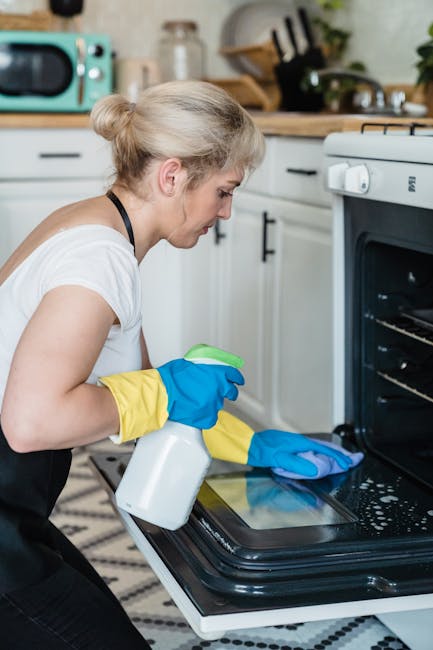
DIY oven cleaning usually follows a simple pattern: loosen the dirt, scrub the surfaces, wipe away residue, and repeat where needed. People often use store-bought oven cleaner, baking soda paste, warm soapy water, microfibre cloths, gloves, and a plastic or non-scratch scraper for stubborn spots. The process sounds straightforward, and sometimes it is. On a lightly used oven, a patient clean can make a surprising difference in one afternoon.
A professional deep clean works differently. A trained cleaner will typically dismantle removable parts where appropriate, treat grease with stronger but controlled methods, clean the door glass more thoroughly, and work through the areas most DIY jobs miss. That might include racks, trays, fan covers, side walls, seals, knobs, and the hard-to-reach bits that collect burnt-on residue. Many people are shocked by how much hidden grime sits behind the obvious surfaces. It is a bit like looking under the sofa and finding a civilisation.
In a proper deep clean, the aim is not just "looks clean from three feet away". It is to restore the oven as far as practical, without damaging finishes or leaving chemical residue behind. That is a meaningful difference, especially if you cook often or plan to use the appliance heavily again soon.
If your wider home needs attention too, a broader one-off visit can make sense, and the same logic applies to tasks like one-off cleaning or a more complete domestic cleaning visit where the kitchen is only one part of the job.
Key Benefits and Practical Advantages
| Option | Main advantages | Best for | Watch out for |
|---|---|---|---|
| DIY oven cleaning | Lower cost, immediate control, flexible timing, useful for light to moderate dirt | Routine upkeep, tidy households, smaller budgets | Missed grime, chemical residue, scratched enamel, time drain |
| Professional deep clean | More thorough finish, less effort, better for heavy grease, improved convenience | Heavily used ovens, end of tenancy, pre-sale prep, busy households | Higher cost, scheduling, service quality varies by provider |
The biggest benefit of DIY is simple: it is available now. If you spot a spill, you can deal with it before it bakes on for a month. That kind of upkeep helps prevent the oven from getting grimy in the first place. It also gives you total control over the products used, which matters if you prefer low-odour or gentler cleaning methods.
The biggest benefit of a professional deep clean is thoroughness. A good cleaner will usually work faster than a homeowner, use the right approach for the material, and reach places you might skip because they are fiddly or just unpleasant. This matters especially if your oven has visible carbon build-up, sticky grease behind the glass, or trays that seem permanently stained.
There is also the peace-of-mind factor. If you are moving house, hosting relatives, or trying to get the kitchen back into shape after a stretch of takeaway-heavy weeks, having someone else do the hard part can feel like a relief. Sometimes that matters more than the spotless finish itself. To be fair, not everyone wants to spend Sunday evening with a degreaser and a brillo pad.
For households that need a more complete kitchen reset, it can help to think of oven work as part of a wider cleaning plan. A specialist visit may fit alongside deep cleaning or a targeted one-off clean when the whole property has drifted beyond day-to-day upkeep.
Who This Is For and When It Makes Sense
DIY is usually the better fit if your oven is lightly used, the dirt is recent, and you can spare a little time. Think weekly or fortnightly maintenance, small splashes on the base, or a few greasy marks on the door. If you are reasonably comfortable using cleaning products and do not mind a bit of scrubbing, DIY can be perfectly adequate.
Professional deep cleaning makes more sense when the job has become unpleasant, risky, or simply too big. That includes ovens with heavy grease build-up, smokers' kitchens, busy family homes, neglected appliances in rental properties, or situations where you need the oven looking its best by a specific date. End of tenancy is a classic example. Landlords and letting agents often expect a higher standard than a quick surface clean can deliver, especially in the kitchen. In those cases, a service aligned with end of tenancy cleaning can save a lot of stress.
Busy professionals and families often choose professional cleaning because the time cost of DIY is higher than the money saved. That is not laziness; it is just maths with a bit of real life thrown in. If your Saturdays are already full, the appeal of outsourcing the worst job in the house becomes obvious very quickly.
There is another group worth mentioning: people who have had an after-builders mess or kitchen renovation dust settle into the oven area. In that situation, a general wipe may not be enough, and a more specialised approach like after builders cleaning may be the better starting point before the oven itself is tackled.
Step-by-Step Guidance
How to handle a DIY oven clean safely
- Let the oven cool fully. Never start on a warm appliance unless the product instructions specifically allow it.
- Remove shelves, trays, and loose parts. Soak them separately in hot water and washing-up liquid if suitable.
- Protect your hands and surfaces. Gloves, old cloths, and a bin bag nearby make the job easier.
- Apply cleaner sparingly. Use only as much as needed, and avoid soaking seals, fans, or electrical elements.
- Wait the recommended time. This part is boring, yes, but it matters. Let the product do the work.
- Scrub gently. Focus on corners, the door edge, and the base where spills tend to bake on.
- Wipe repeatedly. Use clean cloths until no residue remains.
- Rinse and air out. Run the oven empty for a short cycle only if the manufacturer guidance and cleaning product instructions support it.
How a professional deep clean is typically handled
- Initial inspection. The cleaner checks the oven type, condition, and any fragile parts or obvious damage.
- Careful disassembly. Removable components may be taken out for separate treatment.
- Targeted degreasing. Built-up grease and burnt residue are treated with controlled methods.
- Detail cleaning. The cleaner works on racks, glass, seals, knobs, and other awkward spots.
- Reassembly and finish. Parts are returned, the interior is wiped down, and the oven is left ready to use.
If your kitchen floor is suffering too, or you have a broader hard surface issue from cooking spills, a related service such as hard floor cleaning can be a useful add-on. Small messes have a habit of spreading, don't they?
Expert Tips for Better Results
Start with prevention. A quick wipe after cooking is far easier than removing burnt-on splatter a month later. If a tray boils over, deal with it once the oven cools. That small habit saves an embarrassing amount of effort later on.
Use the least aggressive method that will still work. Stronger is not always better. On some oven surfaces, repeated harsh scrubbing can dull the finish or damage seals. For that reason, always test any product or paste on a small, hidden area first. A careful cleaner is usually a better cleaner.
Pay attention to the glass door. It is the one part most people judge visually, but also one of the easiest to damage if you use abrasive pads. The door can look fine at a glance while still holding stubborn grease around the edges. That little line of grime is often the giveaway.
If you are cleaning professionally or preparing a house for handover, combine oven care with related kitchen and property tasks. For example, kitchens often benefit from a broader deep cleaning approach, while properties with ongoing upkeep needs may do better with regular domestic cleaning rather than waiting for things to pile up.
And one more thing: don't rush the drying stage. Residual moisture and cleaner smell can linger longer than you expect. If you shut the door too soon, you trap it all in. Slightly unpleasant. Nobody wants the lasagne to carry a hint of detergent.
Common Mistakes to Avoid
- Cleaning a hot oven. Heat can make fumes worse and may also reduce product safety.
- Using abrasive pads on coated surfaces. Scratches are hard to undo.
- Forgetting the seals and corners. That is where grime tends to hide.
- Overusing product. More cleaner does not equal better results; it just means more wiping.
- Leaving residue behind. This can create smell, smoke, or a sticky film on the next use.
- Ignoring removable parts. A spotless cavity with filthy racks still looks, well, only half done.
- Trying to force apart components. If it does not come out easily, check the manual or leave it to a professional.
One common mistake is assuming all ovens respond the same way. Self-clean, fan-assisted, gas, and compact ovens can behave differently, and the wrong approach can cause more trouble than the grease ever did. When in doubt, keep the method gentle and simple.
Tools, Resources and Recommendations
You do not need a van full of equipment for DIY oven cleaning, but a few sensible tools make the job much easier:
- rubber gloves
- microfibre cloths
- non-scratch sponge
- soft brush or old toothbrush for corners
- bucket or bowl for soaking trays
- approved oven cleaner or mild cleaning paste
- plastic scraper where suitable
- kitchen towel or disposable cloths for final drying
If you prefer not to handle the mess yourself, a specialist visit gives you a cleaner finish without the hassle. For readers comparing broader support for the rest of the property, it can be useful to look at pricing and quotes before deciding how to divide the work between DIY and a professional service.
It is also worth thinking about how much waste the job creates. Used cloths, greasy wipes, and packaging from cleaning products all add up. If sustainability matters to you, the company's recycling and sustainability information can be a useful reference point when choosing a provider or planning your own routine.
Law, Compliance, Standards, or Best Practice
For most homeowners, oven cleaning is not a highly regulated task. Still, there are sensible UK best practices worth following. Product labels matter. So do ventilation, safe storage, and correct disposal of cleaning materials. If you are using stronger chemicals, keep them away from children and pets, and never mix products unless the instructions explicitly say it is safe. That last one sounds obvious, but people do it all the time.
In rental homes and commercial settings, the expectations can be higher. An end of tenancy clean often needs to leave the appliance hygienic, presentable, and free from excessive grease. In offices or shared kitchens, there is also a general duty to keep spaces safe and reasonably clean. You do not need to become a compliance expert, but you should understand the standard expected for the setting.
Professionals should also work safely and handle products responsibly. If you are hiring someone, it is reasonable to ask about insurance, safety practices, and how they protect surfaces and occupants. A trustworthy provider should be able to explain their process clearly and calmly, without sounding vague or overblown. If they cannot, that is usually telling.
Options, Methods, or Comparison Table
| Factor | DIY oven cleaning | Professional deep clean |
|---|---|---|
| Cost | Usually lower upfront | Higher upfront, but saves time |
| Time needed | Can take several hours | Usually far less effort for you |
| Cleaning depth | Good for light to moderate dirt | Better for heavy build-up and detail work |
| Convenience | Depends on your free time and energy | Very convenient once booked |
| Risk | Higher chance of mistakes if rushed | Lower if the provider is careful and experienced |
| Best use case | Routine maintenance and small messes | Deep restoration, move-out cleans, heavily soiled ovens |
If you are trying to decide quickly, use this rule of thumb: DIY works best when the oven is still in decent shape and you are staying on top of it. Professional deep cleaning is the better choice when the dirt is baked in, time is short, or the oven needs to look genuinely refreshed rather than merely tidied. It really is that simple, even if the decision takes a bit of honest self-assessment.
Case Study or Real-World Example
Picture a family kitchen on a Friday evening. The oven has been used for joint dinners, tray bakes, and the occasional forgotten casserole spill. The door is streaked, the shelves are sticky, and every time the grill is on there is a faint whiff of old fat. A quick DIY clean clears the surface grime, but the baked-on patches at the back stay stubbornly in place.
Now imagine the same oven after a professional deep clean. The racks are removed and cleaned properly, the glass is clearer, the smell has gone, and the whole appliance looks presentable again. The difference is not just cosmetic. Cooking feels easier because the oven no longer smokes every time it warms up, and the kitchen smells like a kitchen again, not like last Tuesday's shepherd's pie.
That is the real trade-off. DIY can keep things under control. Professional cleaning can reset the situation.
Practical Checklist
Use this checklist before deciding:
- Has the oven only got light splashes or obvious baked-on grease?
- Do you have at least a couple of uninterrupted hours?
- Are you comfortable using cleaning chemicals safely?
- Do racks, trays, and glass need more than a surface wipe?
- Is the oven part of an end of tenancy or pre-sale clean?
- Do you want the best possible finish, not just a passable one?
- Is there a smell, smoke, or residue problem when the oven heats?
- Would hiring help save you stress this week?
If you answer "yes" to most of the last four points, a professional deep clean is probably the better choice.
Conclusion
So, DIY Oven Cleaning versus Professional Deep Clean Which to Choose? In the end, it comes down to condition, time, and expectations. DIY is the practical option for routine maintenance, quick spills, and people who do not mind a proper scrub. Professional deep cleaning is the smarter choice when the oven is heavily soiled, the deadline is tight, or you simply want the job done thoroughly and without the hassle.
The most sensible approach for many households is a mix of both: light DIY upkeep through the year, then a professional deep clean when the oven starts to show its age. That way, you avoid both extremes, and your kitchen stays far more manageable. Small effort, less drama. A decent trade, all in all.
If you are ready to compare your options, check what is included and choose the level of help that matches the state of your oven and your week. Get a free quote today and see how much you can save.
And if you can hear the oven fan rattling a little less after a proper clean, that is always a good sign. Quiet kitchens are underrated.
Frequently Asked Questions
Is DIY oven cleaning good enough for a very dirty oven?
Sometimes, but not always. DIY can handle light to moderate build-up, especially if the dirt is recent. If grease is thick, baked on, or spread into the door glass and fan area, a professional deep clean is usually more effective.
How often should an oven be professionally deep cleaned?
That depends on how often you cook and how messy the cooking tends to be. A busy family kitchen may benefit from periodic deep cleaning, while a lighter-use oven may only need it occasionally. The key is to clean before the build-up becomes hard and smoky.
Does a professional deep clean remove burnt-on grease completely?
It often removes a great deal of it, but results depend on the oven's age, material, and condition. Some long-standing staining or cosmetic discolouration may not disappear fully, even after a very thorough clean.
Is oven cleaner safe to use on all oven parts?
No. Some parts, such as seals, fan components, and certain coated surfaces, need care. Always check the manufacturer guidance and product instructions before applying anything heavy-duty.
Can I clean the oven while it is still warm?
It is usually better to let it cool fully first. Heat can make fumes worse and may also affect how some products work. Safety first, even if the mess is annoying.
What is included in a professional oven deep clean?
A proper service usually includes internal surfaces, racks, trays, door glass, seals, and other accessible components. The exact scope depends on the oven type and the provider's method, so it is worth checking what is covered before booking.
Which option is better for end of tenancy cleaning?
Professional deep cleaning is often the safer bet for end of tenancy situations because the expectation is usually a higher standard. A quick DIY clean may look fine to you, but not necessarily to a letting agent or landlord.
Are professional oven cleaners worth the cost?
If your time is limited, the oven is heavily soiled, or you want a noticeably better finish, many people find them worth it. If the oven only needs a light refresh, DIY may be perfectly adequate.
What mistakes do people make most often when cleaning ovens themselves?
The most common mistakes are using too much product, scrubbing with harsh abrasives, leaving residue behind, and forgetting the racks and corners. Those little oversights are usually what make the job feel unfinished.
Can oven cleaning help stop smoke and bad smells?
Yes, if the smoke or smell is caused by grease and residue burning off during cooking. A cleaner oven often smells fresher and performs more consistently. If the issue continues after cleaning, there may be another fault to look at.
How do I decide between DIY and professional cleaning quickly?
Ask yourself three questions: how dirty is it, how much time do I have, and how good do I need the result to be? If the answer to any of those leans heavily toward "a lot", "not much", or "very", professional cleaning is probably the better option.
Can oven cleaning be part of a bigger home clean?
Absolutely. Many people fold it into a broader kitchen or property refresh, especially when the rest of the house needs attention too. That is where services like deep cleaning or domestic cleaning can make the whole job feel more achievable.